Sales@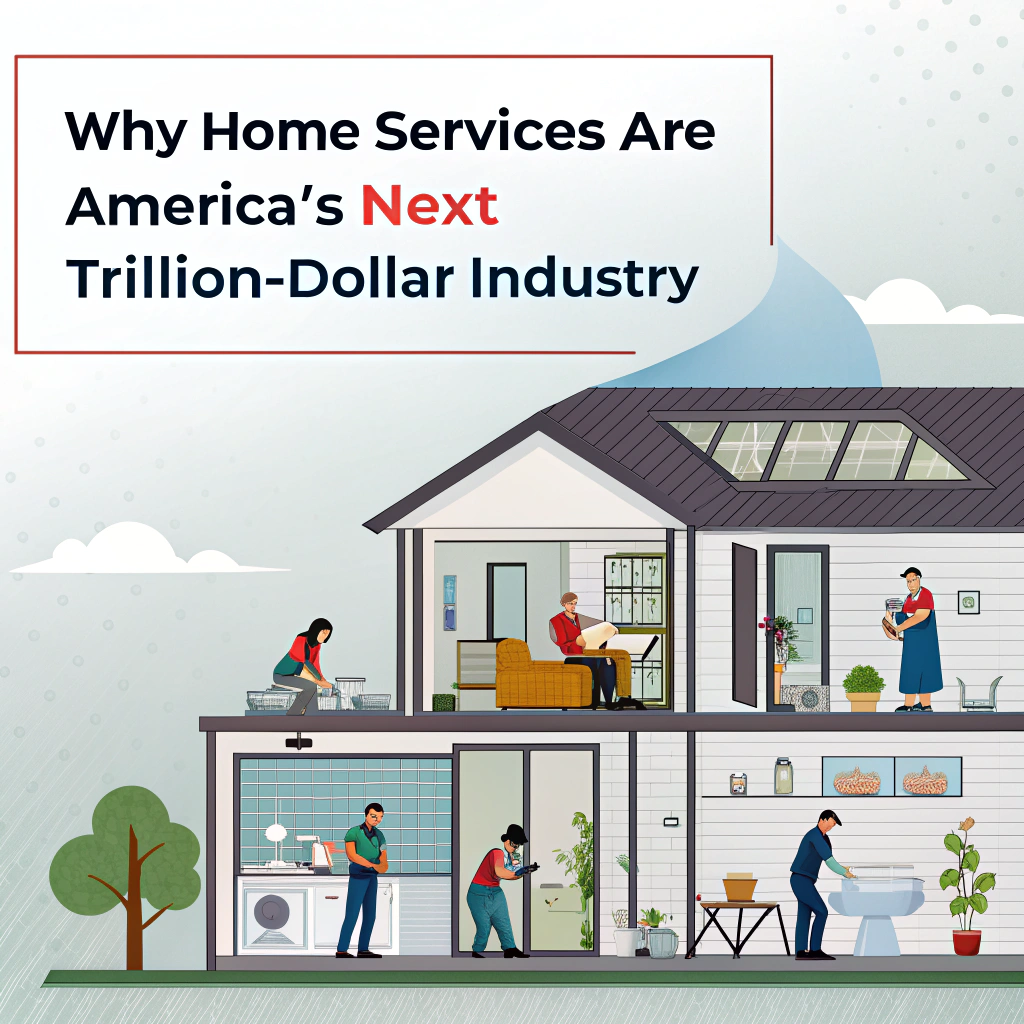
The Silent Economic Giant

When we talk about booming industries in the U.S., technology, healthcare, and finance usually dominate the conversation. But there’s another juggernaut growing steadily under the radar—the home services industry. From HVAC installations and plumbing repairs to home cleaning, landscaping, and smart home integrations, home services have become an essential part of American life. According to recent market forecasts, the U.S. home services market is expected to surpass $800 billion in 2025, and industry experts predict it could cross the $1 trillion mark by 2030. This isn’t just speculation—it’s a reflection of evolving lifestyles, tech-savvy homeowners, rising real estate values, and a growing preference for outsourcing tasks. In this blog, we’ll break down the forces driving this explosive growth, the industries benefiting the most, and what this means for entrepreneurs, service providers, and investors.
Section 1: What Exactly Are Home Services?

Before we dive into numbers and trends, let’s define what “home services” really includes. The term refers to a wide range of services designed to maintain, repair, or enhance residential properties.
Categories of Home Services:
- Essential Services: Plumbing, electrical, HVAC, roofing, pest control.
- Maintenance & Repairs: Appliance repair, window cleaning, gutter maintenance.
- Renovation & Remodeling: Kitchen/bathroom remodels, flooring, painting, deck building.
- Outdoor Services: Landscaping, snow removal, fencing, irrigation systems.
- Home Cleaning: Deep cleaning, carpet cleaning, maid services, disinfection services.
- Smart Home Installations: Security systems, thermostats, smart lighting, voice assistants.
The demand for these services is no longer seasonal—it’s year-round, consistent, and growing.
Section 2: Why Home Services Are Booming in the U.S.

1. Aging Housing Stock
The average home in America is now over 40 years old, which means more frequent repairs, upgrades, and maintenance. Homeowners are investing heavily in keeping their properties in shape.
- Fact: According to Harvard’s Joint Center for Housing Studies, spending on home renovations hit $567 billion in 2022 and is projected to continue rising.
2. A Lifestyle Shift Toward Convenience
In an age where you can order a car ride or grocery delivery with your phone, consumers expect the same ease with home services.
- Platforms like TaskRabbit, Thumbtack, Angi (formerly Angie’s List), and HomeAdvisor are now making it easy for homeowners to book a plumber or painter with just a few clicks.
3. The Rise of Dual-Income Households
Time is money. As more families have both partners working full-time jobs, there’s less time for DIY and a greater reliance on professionals to handle tasks around the house.
- In 2024, 61% of U.S. households had two incomes, further fueling the need for outsourced home services.
4. Smart Homes = Smart Services
The U.S. is a leader in smart home adoption. With over 63 million smart homes in 2024 and growing, homeowners need professionals who understand how to install, maintain, and troubleshoot these high-tech systems.
5. Post-Pandemic Housing Boom
COVID-19 sparked a shift in priorities. People started investing in their homes—turning them into workspaces, gyms, and sanctuaries.
- Homeownership rose to 66% in 2023, and new homeowners need everything from painting to landscaping.
Section 3: Industry Segments Set to Explode

Let’s break down some of the fastest-growing segments in the home services market.
1. HVAC (Heating, Ventilation, and Air Conditioning)
With climate change leading to more extreme weather conditions, HVAC has become a necessity in most U.S. homes.
- The HVAC market in the U.S. was valued at $130 billion in 2024, and demand for energy-efficient systems is soaring.
2. Home Renovations
Whether it’s a kitchen upgrade or adding an ADU (Accessory Dwelling Unit), renovation services are booming.
- Baby Boomers are remodeling for comfort, and Millennials are remodeling for style and space.
3. Plumbing and Electrical Work
These trades are recession-resistant. Pipes burst and wires fray no matter the economy, making these essential services reliable and lucrative.
- The shortage of skilled tradespeople in this segment is pushing up service charges—and profits.
4. Home Cleaning and Sanitization
The demand for hygienic, professionally cleaned homes has gone mainstream, especially since the pandemic.
- Subscriptions for bi-weekly or monthly cleaning services are growing fast, especially in metro areas.
5. Green and Sustainable Services
Solar panel installation, eco-friendly landscaping, and water conservation systems are in high demand.
- Consumers are increasingly willing to pay more for “green” certified services.
Section 4: The Tech Transformation of Home Services

The home services industry may be traditional, but it’s undergoing a major digital transformation. Today’s consumers want speed, convenience, transparency, and trust.
Key Digital Trends:
- Online Booking: Apps and platforms dominate the market.
- Instant Estimates: AI-powered pricing tools give customers upfront quotes.
- GPS Tracking: Clients can track the arrival time of service pros like Uber.
- Payment Integration: Seamless checkout via card or mobile wallet.
- Customer Reviews: Platforms like Yelp and Google Reviews influence buying decisions heavily.
Fun Fact: Over 80% of Americans read online reviews before choosing a home service provider.
Section 5: Franchising & Entrepreneurship Opportunities

If you’re looking to start a business in the U.S., home services offer one of the lowest-barrier entries with high-income potential.
Why It’s Attractive:
- Low startup costs (especially for mobile services)
- Huge repeat customer potential
- Seasonal and emergency work guarantees income stability
- Scalable business models (local → multi-city → national)
Popular Franchise Models:
- Handyman services (e.g., Mr. Handyman)
- Lawn care (e.g., Lawn Doctor)
- Cleaning services (e.g., Molly Maid, The Cleaning Authority)
- Restoration (e.g., SERVPRO)
Section 6: Labor Shortages = Opportunity

One of the challenges the home services sector faces is the shortage of skilled labor. But that’s also where opportunity lies.
- Over 50% of U.S. tradespeople are nearing retirement age, yet not enough young people are entering the field.
- Vocational training and trade schools are stepping up to fill the gap, but the demand still outweighs supply.
This is creating:
- Higher wages
- Faster career growth
- More room for apprenticeships and tech-integrated learning platforms
Section 7: Investors and Big Brands Are Paying Attention

Venture capital and private equity firms have started pouring millions into this space. Why?
- Predictable recurring revenue
- Low churn rates
- Scalable business models
- Non-cyclical demand
Example Investments:
- Thumbtack raised over $400 million to expand its home service marketplace.
- Amazon has ventured into home services, offering in-home installations and assembly.
- Google’s Local Services Ads now prioritize home service businesses, reflecting massive search demand.
Section 8: Challenges to Address
Every booming industry has its hurdles. For home services, these include:
- Standardization of pricing: Still inconsistent across states and cities.
- Quality control: Independent contractors vary in expertise.
- Scalability issues: Managing multiple locations and teams.
- Insurance and liability: Services involve safety risks and require proper coverage.
However, these are being tackled with technology and better regulations.
Section 9: What This Means for Americans
The home services revolution isn’t just good news for entrepreneurs—it’s reshaping how Americans live, work, and invest.
For Consumers:
- More choice
- Faster, tech-enabled convenience
- Enhanced safety and transparency
For Job Seekers:
- High-income, stable career paths without college degrees
- Hands-on, fulfilling work with great demand
For Real Estate:
- Value appreciation for well-maintained or upgraded homes
- Better ROI for home flippers and landlords
Conclusion: The Future of Home Services Is Now
The home services industry is no longer a “blue-collar side hustle.” It’s become a tech-infused, multi-billion dollar economic pillar supporting millions of jobs, homes, and investments across the United States. With rising demand, tech-driven solutions, low entry barriers, and investor interest—this market is set to explode past the trillion-dollar threshold in the next 5 years. If you’re a homeowner, investor, entrepreneur, or service provider—now’s the time to get in the game.