Sales@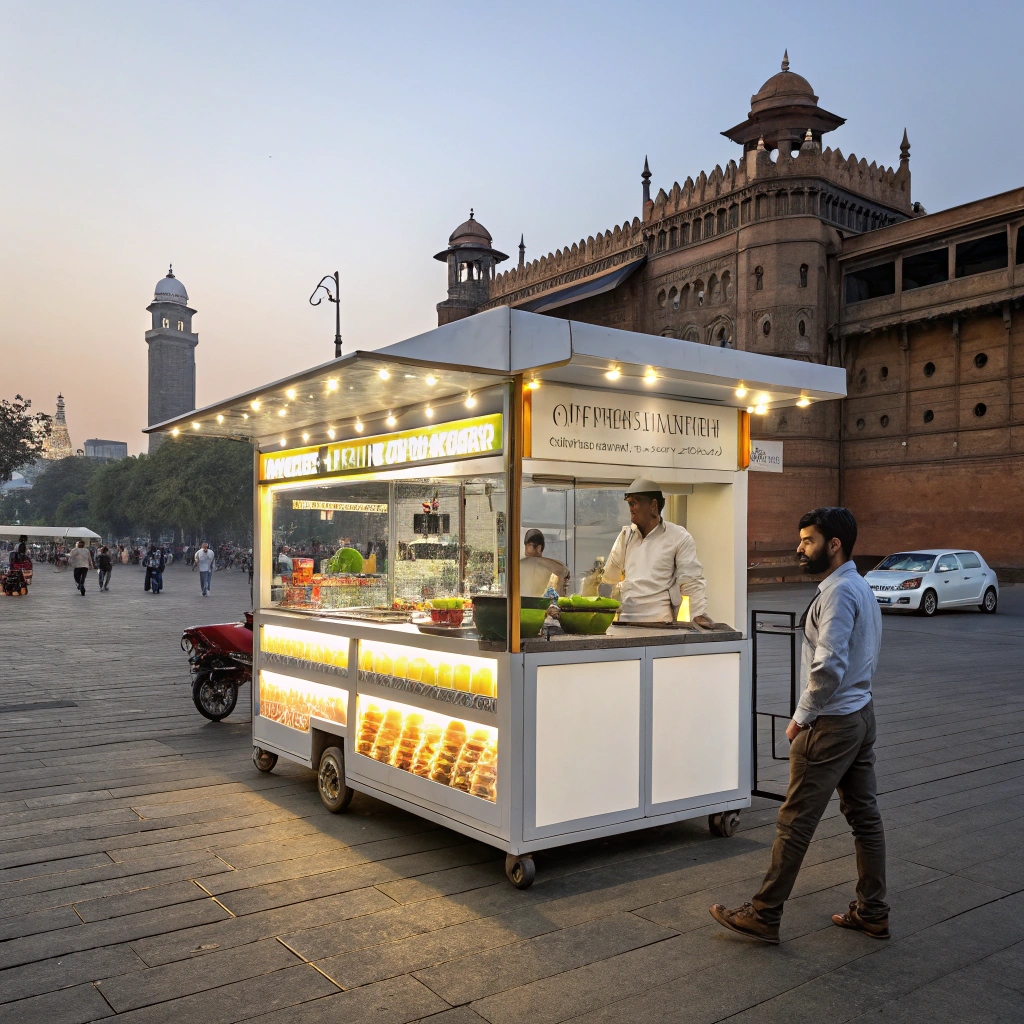
Introduction: Rethinking What “Good Income” Really Means

You’ve worked hard, landed that job with a decent CTC, and your bank SMS confirms that monthly credit. It feels good — stable, respectable, and secure. But here’s the question no one asks out loud: What if the guy selling chaat outside your office is making more than you — and working fewer hours? This isn’t an urban myth. Across India — and increasingly, globally — street sellers, local vendors, and micro-entrepreneurs are proving that success doesn’t wear a tie or sit in a cubicle. Welcome to the world where daily hustle outpaces monthly salaries. Where street smarts beat corporate perks. Where no office doesn’t mean no money.
Section 1: The Salary Trap — Good on Paper, Tight in Practice

1.1 The CTC Illusion
Corporate packages often show impressive numbers, but after deductions for:
- Taxes
- PF
- Health insurance
- Loan EMIs
- Rent & commute
…that ₹70,000/month often feels like ₹25,000. Meanwhile, many street sellers deal in cash, have low overheads, and control their profit margins daily.
1.2 Fixed Income, Fixed Ceiling
In salaried jobs:
- Promotions are slow.
- Bonuses are uncertain.
- Raises are minimal (6-10% on average).
- Time = Money (you stop earning when you stop working).
Now compare that to a food cart owner who increases prices during festivals or launches a trending item like “fire paan” and triples their sales overnight.
Section 2: A Day in the Life of a High-Earning Street Seller

2.1 The Math of a Momos Seller
Let’s do a breakdown:
- Selling price per plate: ₹40
- Daily customers: 300
- Daily revenue: ₹12,000
- Monthly revenue: ₹3.6 lakh
- Monthly costs (ingredients, staff): ₹1.2 lakh
- Net profit: ₹2.4 lakh/month
Now compare that to a bank manager earning ₹70,000/month — with 10-hour shifts and stress targets.
2.2 Street Mechanics, Tailors & More
Other high-earning, no-desk examples:
- Mobile car detailing professionals: ₹80,000–₹2 lakh/month
- Roadside tailors during festive season: ₹1 lakh+
- Juice vendors in tourist spots: ₹3,000–₹10,000/day
- Mehendi artists during wedding season: ₹2,000–₹10,000/day
These jobs don’t come with titles — but they often come with real cash flow and business ownership.
Section 3: Real-Life Stories That Bust the “Salary Is Better” Myth

3.1 The Golgappa Empire
Vinod, a pani puri vendor in Delhi, turned a single cart into 7 across high-footfall areas. His carts are hygienic, branded, and accept UPI. Today, he employs 15 people and earns over ₹1 crore annually.
3.2 The Beauty Parlour on Wheels
Sneha, a former salon employee, started a home-service parlour in Pune during lockdown. Through WhatsApp and Google Business, she built a loyal base and now earns ₹1.5–2 lakh/month — more than her ex-manager.
3.3 The Fruit Seller Who Went Viral
Rafiq bhai from Indore went viral on Instagram for his witty banter and fruit arrangement skills. Now, he’s an online sensation with brand collaborations and 3x daily sales.
Section 4: So, What Gives Street Sellers the Edge?

4.1 Daily Income Means Daily Control
- They can tweak prices based on demand.
- Offer discounts to clear stock.
- Sell in peak hours and rest during lows.
Unlike salaried workers, they’re not locked to one stream of income.
4.2 Business Agility
If a new item becomes trendy (like chocolate dosa or rainbow ice gola), they:
- Launch it same day.
- Test sales instantly.
- Scale or drop without bureaucracy.
Corporate marketers may take weeks for internal approvals.
4.3 No Middlemen, No Margin Loss
Corporate structures involve:
- Distributors
- Sales teams
- Retailers
…each taking a cut. Street vendors deal directly with consumers, owning the full margin.
Section 5: How Digital Tools Have Supercharged Street Selling

5.1 UPI: The Financial Game Changer
- UPI has brought financial transparency to street trade.
- QR codes = instant payment, no credit chasing.
- It’s also created transaction proof for bank loans and formal scaling.
5.2 Social Media: The New Billboard
Even roadside stalls now have:
- Instagram pages with daily menus.
- Reels showing food preparation or behind-the-scenes.
- WhatsApp broadcast lists for regulars.
Street marketing is now smart marketing.
5.3 Platforms That Empower
- Zomato, Swiggy – enable small food businesses.
- ONDC – helps digital discovery for local sellers.
- Meesho, Flipkart – bring local products online.
Section 6: Comparing Lifestyle: Street Sellers vs Office-Goers
| Aspect | Corporate Employee | Street Seller |
|---|---|---|
| Monthly Income | ₹30k–₹1L (average) | ₹50k–₹2.5L+ |
| Daily Freedom | Low | Moderate to High |
| Work Hours | 9-12 hrs | 5–10 hrs |
| Work-Life Balance | Poor to average | Better (self-controlled) |
| Control Over Pricing | None | Full |
| Growth Limit | Slow, appraisal-based | Immediate, performance-based |
Section 7: Breaking Social Conditioning — Is Salary Still a Status Symbol?

Society often values:
- Job titles over profit
- Degrees over skill
- Corporate setup over independence
But ask yourself:
- If someone earns 3x more than you, does their office location matter?
- If they own their time, who is really in control?
- If they employ 5 people, are they not a job creator, not just a “vendor”?
Perception needs to catch up with reality.
Section 8: Lessons You Can Apply — Even If You’re in a Job

8.1 Start a Side Hustle
You don’t have to quit your job. Try:
- Tiffin service
- Reselling on Meesho
- Freelance content or product review
- Instagram shop or thrift page
8.2 Learn Street Skills
- Selling
- Negotiating
- Adapting fast
- Personal branding
These are high-income skills no matter your field.
8.3 Respect Real Business, Not Just Formal Ones
Next time you see a food cart or mehendi artist, think:
“What can I learn from them?”
Not, “They couldn’t make it in the job world.”
Conclusion: Is Your Salary Truly Enough?
It’s not about making street vendors heroes and office-goers villains. It’s about understanding:
- Where real profit lies
- What freedom feels like
- And how the definition of success is shifting
So, next time you’re proud of your monthly salary, ask this: “Is my income scalable? Is it free from limits? Am I truly in control?” Because somewhere out there, a guy with a tea cart, a smartphone, and a QR code might be earning twice as much — and doing it with joy, ownership, and zero burnout. Success has left the cubicle. It’s now found on sidewalks, in WhatsApp groups, under flyovers, and in the heart of every fearless hustler.